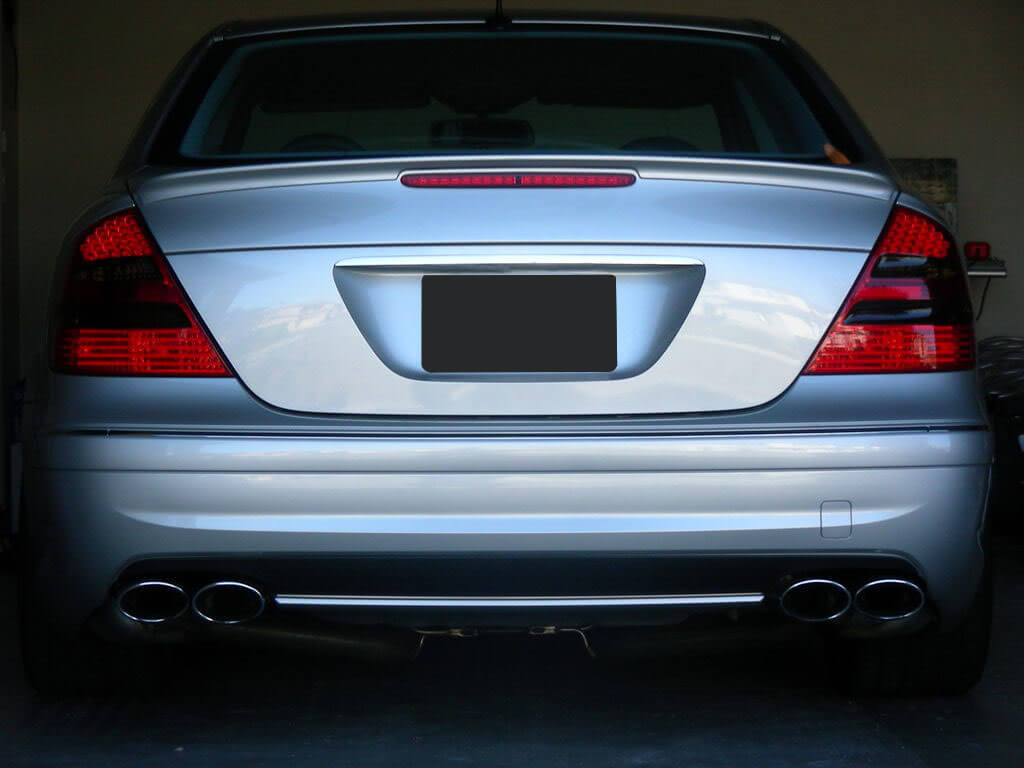
Professional car emblem removal AKA debadging, will leave your vehicle with a sleek and stealthy appearance. We offer emblem removal and dedadging as a stand alone mobile service or it can be added to any of our other detail services.
PROFESSIONAL EMBLEM REMOVAL AND DEBADGING
While the process might seem simple enough to do yourself, attempting to remove emblems without the right knowledge and tools can lead to permanent and costly damage. Many DIY guides suggest using household items like string or dental floss, which can cut into your paint or cause deep scratches. Additionally, common adhesive removers can be too harsh for automotive paint, leading to discoloration or damage to the clear coat.
The most common mistake is a failure to properly address the remaining adhesive and the ghosting left behind. When a badge is removed, you’ll often see a faint outline of where the emblem once was. This “ghosting” or “shadow” is caused by years of sun exposure and oxidation on the surrounding paint, while the paint under the emblem remained protected. A professional service understands how to safely remove these marks, ensuring the end result is a seamless and uniform appearance.
The Risks of DIY Emblem Removal & Debadging
While the process might seem simple enough to do yourself, attempting emblem removal without the right knowledge and tools can lead to permanent and costly damage. Many DIY guides suggest using household items like string or dental floss, which can cut into your paint or cause deep scratches. Additionally, common adhesive removers can be too harsh for automotive paint, leading to discoloration or damage to the clear coat.
The most common mistake is a failure to properly address the remaining adhesive and the ghosting left behind. When a badge is removed, you’ll often see a faint outline of where the emblem once was. This “ghosting” or “shadow” is caused by years of sun exposure and oxidation on the surrounding paint, while the paint under the emblem remained protected. A professional emblem removal service understands how to safely remove these marks, ensuring the end result is a seamless and uniform appearance.
Our Meticulous Emblem Removal Process
Our approach is meticulous and proven to ensure the absolute best results. We follow a detailed, step-by-step process that focuses on safety and precision.
1. Thorough Area Cleaning Before we begin, we perform a thorough cleaning of the emblem or trim area. This crucial first step removes any dirt, dust, and grime that could potentially scratch the paint during the removal process. Starting with a clean surface is the foundation of a damage-free service.
2. Heating and Cutting With the area clean, we use a professional-grade heat gun for the emblem removal process to gently warm the emblem. The goal is to soften the double-sided tape or adhesive holding it to the paint. Once the adhesive is pliable, we carefully cut through the tape using fishing line. This method is incredibly thin and strong, allowing us to safely separate the emblem from the paint without applying excessive force that could damage the body panel.
3. Adhesive Removal Once the emblem is off, the work is far from over. The real challenge is the sticky residue left behind. We use a specialized rubber eraser wheel attached to a low-speed drill. This tool is designed to safely and quickly remove the adhesive without harming the paint underneath. It’s a key part of our professional process that saves countless hours and prevents the sticky mess that often frustrates DIYers.
4. Polishing and Blending This is the most critical step for achieving a flawless finish after emblem removal. After removing all adhesive residue, we perform a one-step machine polish and wax on the entire area. The polishing process cleans the newly exposed paint, removes any micro-scratches from the removal, and most importantly, it blends the newly revealed, “perfect” paint with the surrounding paint that has been exposed to the elements. This step eliminates the tell-tale “ghosting” of the emblem and ensures a seamless transition. A protective wax is then applied to seal the finish and provide long-lasting protection.